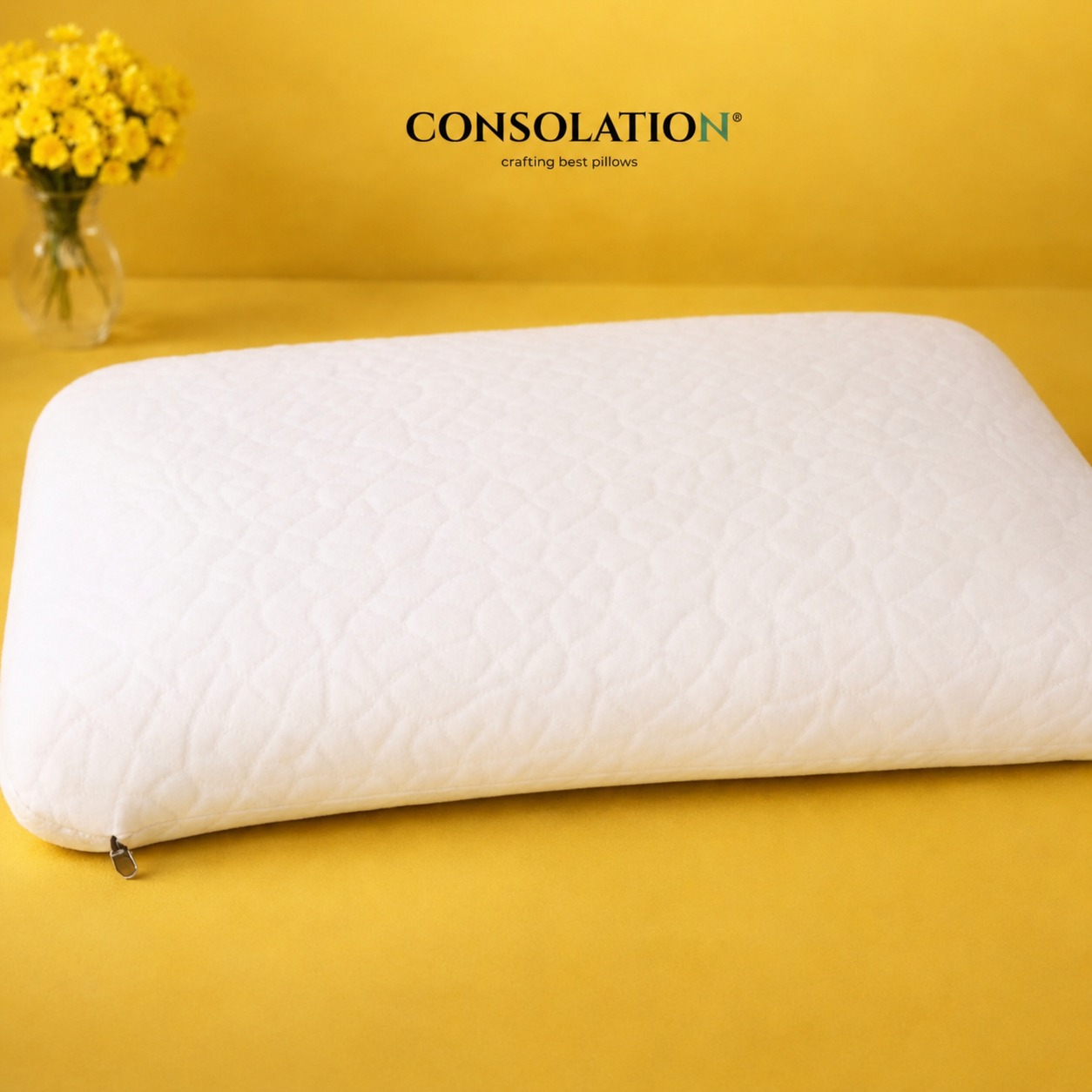
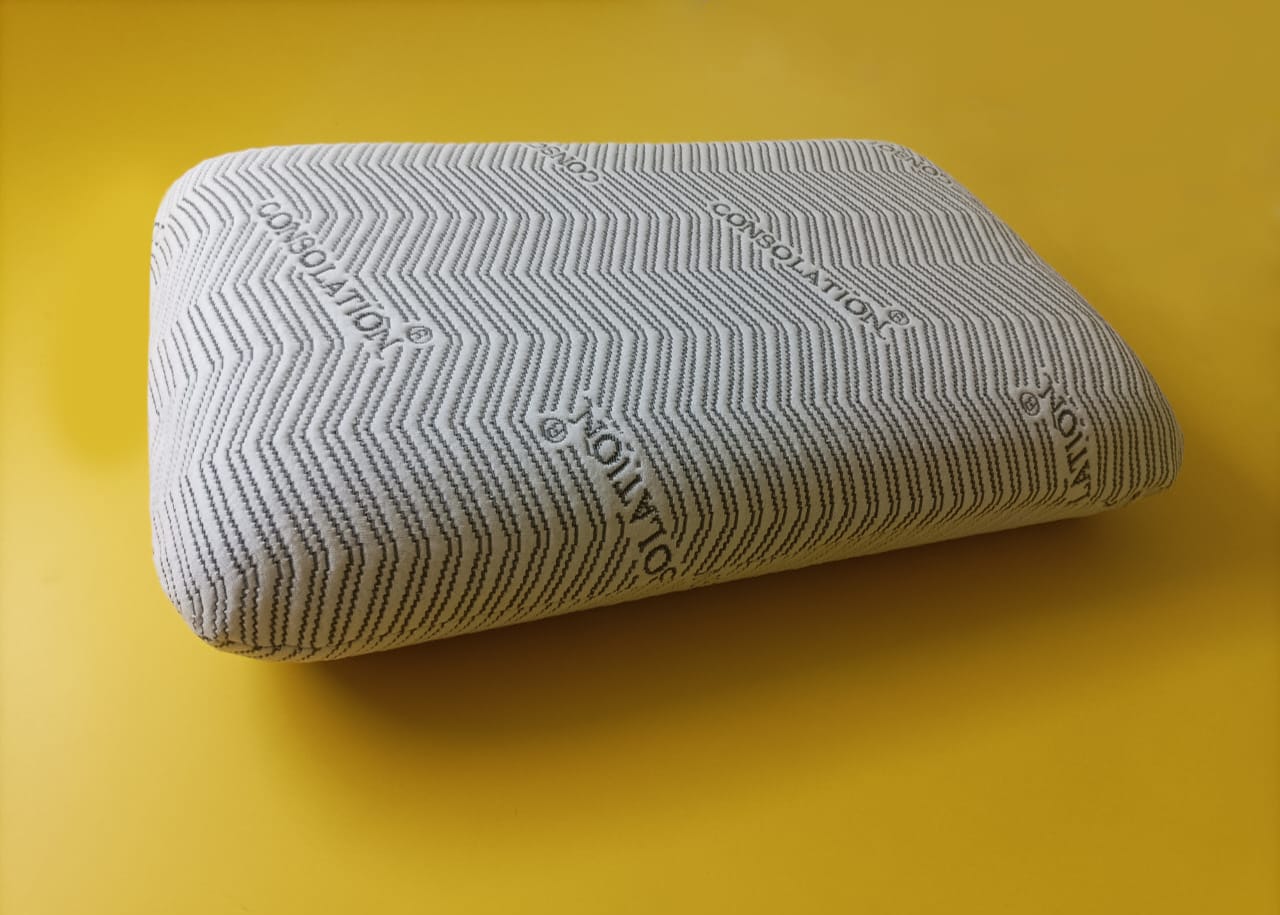

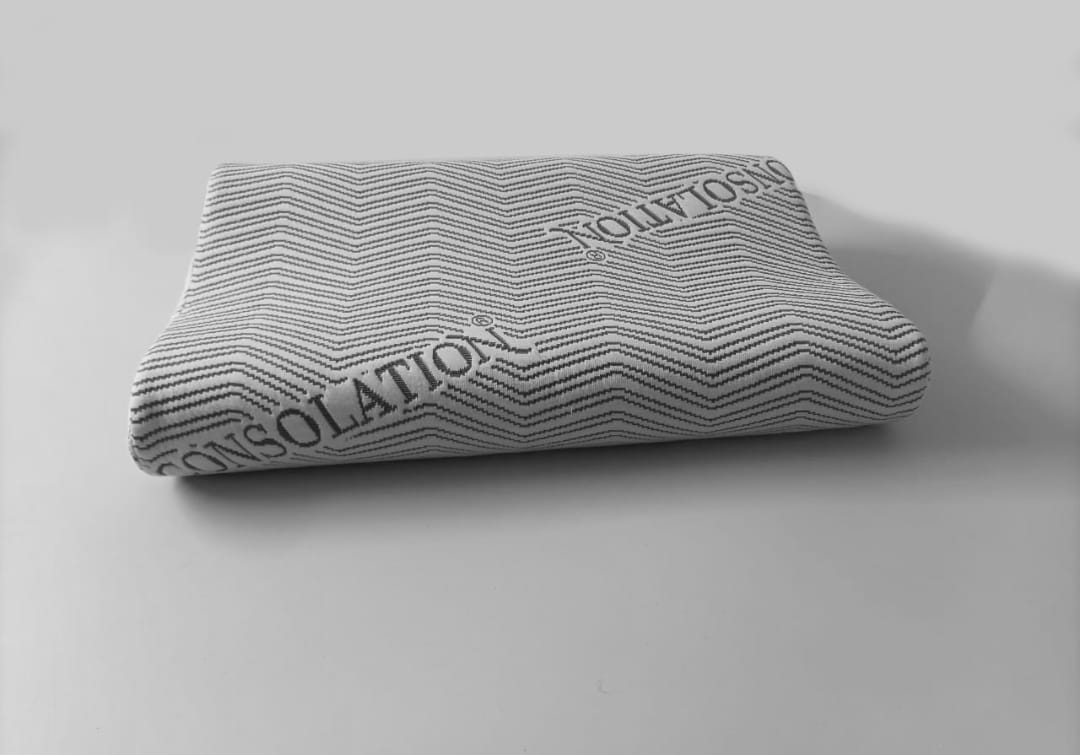
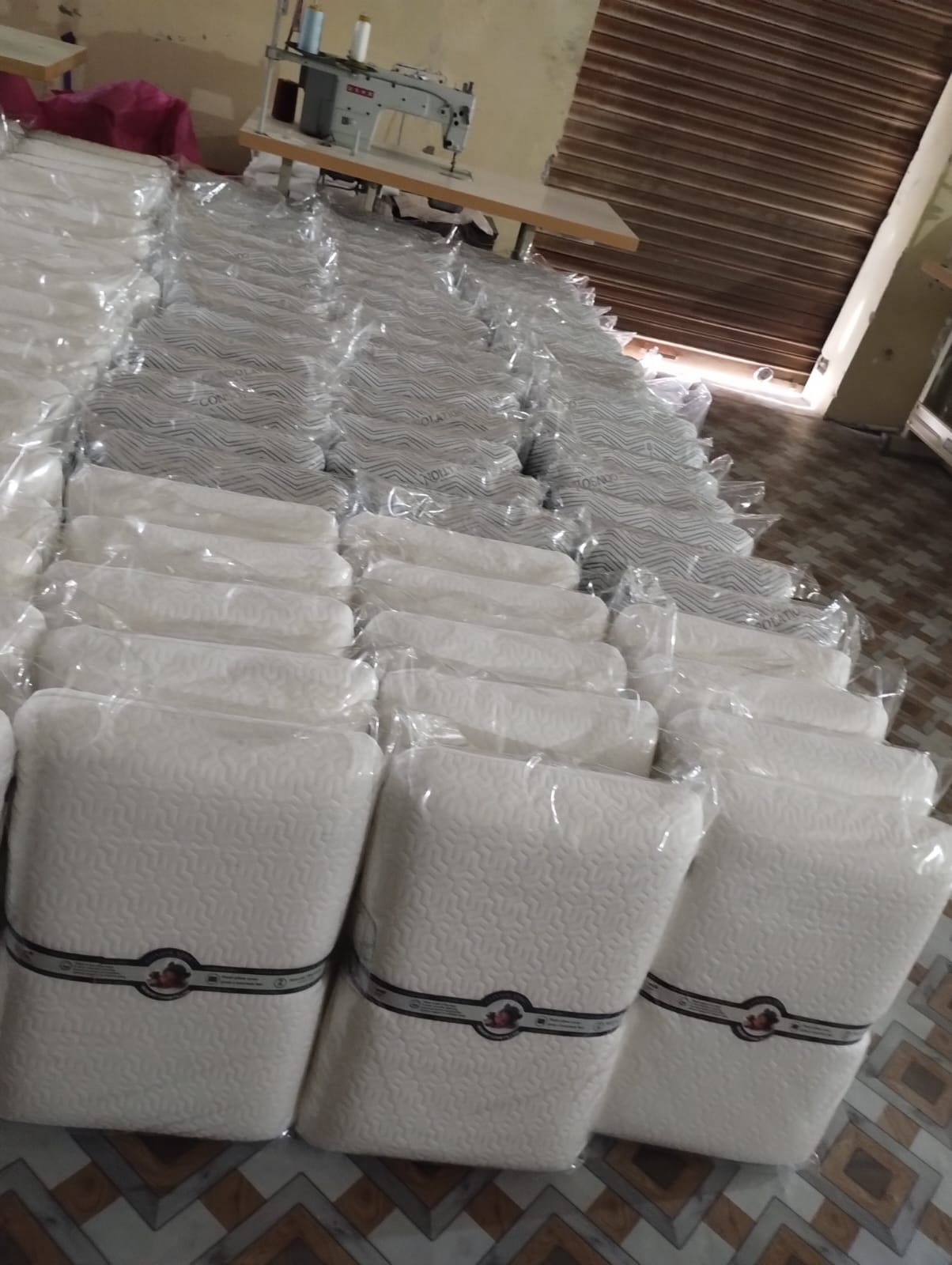
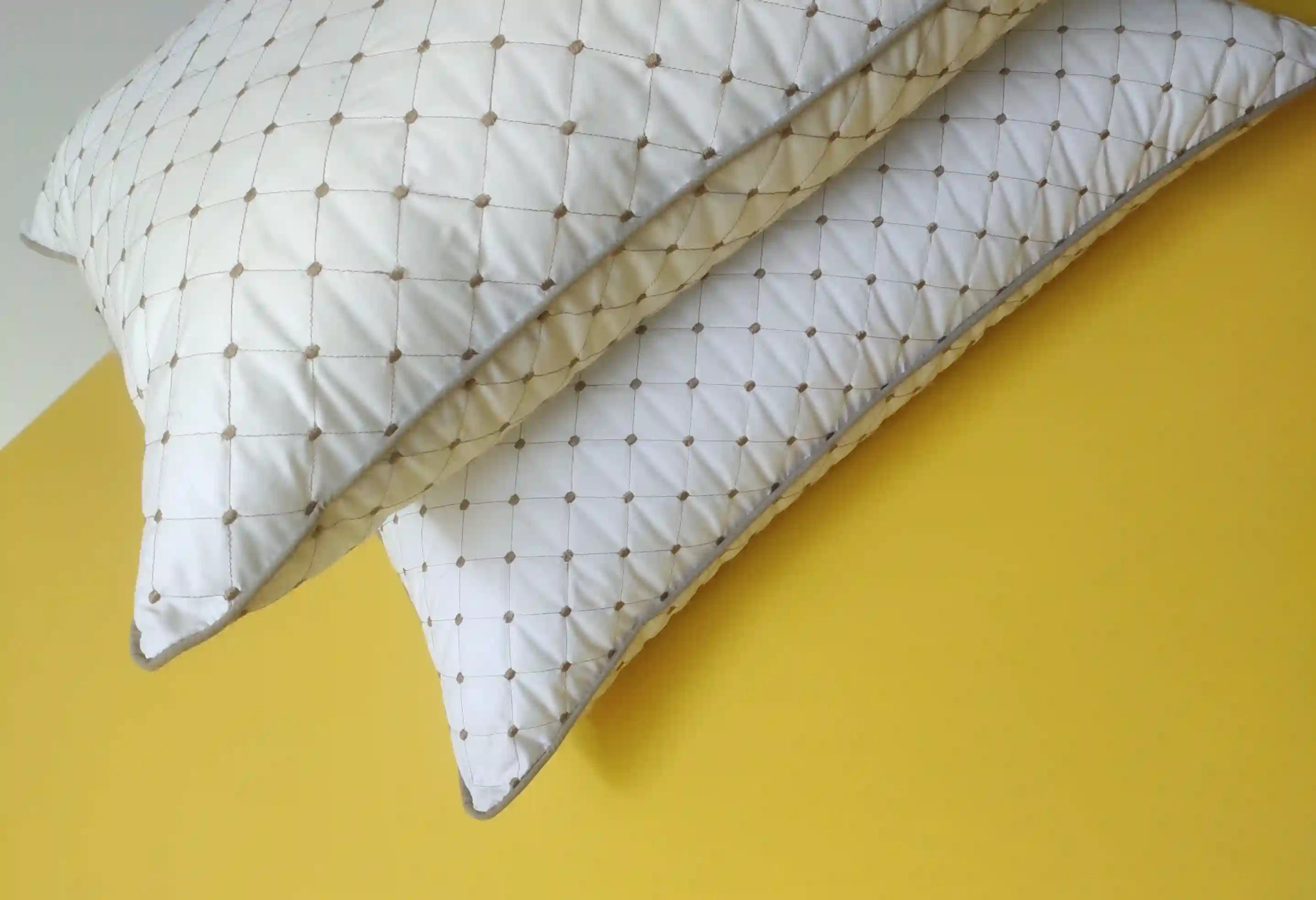

Better sleep begins with better comfort, healthier posture, and consistent support.
Understanding Why Memory Foam Pillows Have Become So Popular
Modern sleep technology designed for better support, comfort, and healthier sleep posture.
Sleep quality has a direct impact on physical health, mental focus, energy levels, posture, and overall well being. While many people invest heavily in mattresses, they often underestimate the importance of choosing the right pillow. A pillow is responsible for supporting the head, neck, and upper spine for several hours every night, which means the wrong pillow can contribute to poor posture, interrupted sleep, muscle tension, headaches, and chronic neck discomfort. Over the last several years, memory foam pillows have become one of the most popular sleep accessories because they are specifically designed to provide personalized support and pressure relief that traditional pillows often fail to deliver.
Memory foam pillows are made using viscoelastic foam, a material originally developed to improve cushioning and pressure absorption. Unlike regular cotton or fiber pillows that lose shape quickly, memory foam reacts to body heat and pressure to contour around the natural shape of the head and neck. This contouring effect allows the pillow to provide more stable support and helps maintain proper spinal alignment throughout the night. Because of this adaptive support system, memory foam pillows are commonly recommended for people who experience neck pain, shoulder stiffness, poor sleeping posture, or restless sleep.
Modern memory foam pillows are now available in many different styles, firmness levels, and cooling designs to suit different sleeping preferences. Some pillows focus on orthopedic neck support, while others are designed with cooling gel technology or adjustable fillings for customized comfort. Understanding how memory foam works and how different pillow designs affect sleep quality can help people make more informed decisions when choosing the best pillow for their needs.
This detailed guide explains everything you need to know about memory foam pillows, including how they work, their benefits, different types, sleeping position compatibility, durability, maintenance, and how to choose the right pillow for better sleep and long term comfort.
What Is A Memory Foam Pillow
Understanding the material and how it adapts to the body.
A memory foam pillow is a pillow made from viscoelastic polyurethane foam that responds to body heat and pressure. Unlike standard pillows that simply compress under weight, memory foam slowly molds to the shape of the head, neck, and shoulders to provide more personalized support. This unique contouring ability allows the pillow to distribute pressure more evenly and reduce stress on sensitive areas during sleep.
The foam reacts to body temperature by softening slightly when pressure is applied. As the pillow adapts to the body, it creates a customized sleeping surface that helps maintain proper alignment of the neck and spine. Once pressure is removed, the foam gradually returns to its original shape. This slow response is what gives memory foam its distinct feel and supportive structure.
Memory foam pillows are available in several forms, including solid memory foam, shredded memory foam, contour pillows, orthopedic pillows, and cooling gel infused designs. Each type offers slightly different comfort levels and support features depending on the sleeping style and individual needs of the user.
Major Benefits Of Memory Foam Pillows
Why millions of people prefer memory foam for better sleep and pain relief.
One of the biggest reasons memory foam pillows have become so popular is the exceptional support they provide for the neck and spine. Traditional pillows often flatten over time and fail to maintain proper alignment during sleep. Memory foam adapts to the natural curves of the body and provides more consistent support throughout the night. This helps reduce strain on muscles and joints while improving sleeping posture.
Memory foam pillows are also highly effective at relieving pressure points around the head, neck, and shoulders. Because the foam distributes weight evenly, it minimizes concentrated pressure that can lead to stiffness and discomfort. Many users notice reduced neck pain, shoulder tension, and tension headaches after switching to a supportive memory foam pillow.
Another important advantage is improved sleep quality. When the body is properly supported and pressure points are minimized, people tend to move less during sleep and experience fewer interruptions throughout the night. This allows deeper and more restorative sleep cycles, which can positively affect energy levels, concentration, mood, and physical recovery.
Modern memory foam pillows are also designed with durability in mind. High quality foam retains its structure and support much longer than traditional fiber or cotton pillows. Instead of flattening quickly, memory foam gradually returns to its original shape after use, allowing the pillow to maintain comfort and support for several years.
Different Types Of Memory Foam Pillows
Choosing the right design based on comfort and support needs.
There are several types of memory foam pillows available today, each designed to provide different levels of comfort, airflow, and support. Understanding these differences can help people choose a pillow that matches their sleeping habits and personal preferences.
Solid memory foam pillows are made from a single block of foam and are known for providing stable and consistent support. These pillows are popular among people who prefer firmer support and need better neck alignment during sleep. Contour memory foam pillows are specially shaped with curves that support the natural position of the neck and head, making them especially useful for people with chronic neck pain or posture issues.
Shredded memory foam pillows contain small pieces of foam instead of a solid block. This design creates a softer and more adjustable feel while also improving airflow. Many people prefer shredded foam pillows because they allow users to customize the loft and shape more easily.
Cooling gel memory foam pillows are designed to reduce heat retention, which was one of the most common complaints associated with older memory foam products. These pillows include cooling gel layers, ventilated foam structures, or breathable covers that help regulate temperature and improve airflow throughout the night.
Orthopedic memory foam pillows are specifically designed to provide therapeutic support for the neck and spine. These pillows are commonly recommended for people recovering from injuries or dealing with chronic pain, posture issues, or cervical discomfort.
Choosing A Memory Foam Pillow Based On Sleeping Position
Different sleeping styles require different levels of support.
Sleeping position plays a major role in determining which type of memory foam pillow will provide the best comfort and support. Side sleepers usually require higher loft pillows because there is more space between the head and the mattress when sleeping on the side. A thicker pillow helps maintain proper neck alignment and prevents the head from tilting downward.
Back sleepers generally benefit from medium loft pillows that support the natural curve of the neck without pushing the head too far forward. Contour memory foam pillows are especially popular for back sleepers because they provide balanced support while encouraging proper spinal alignment.
Stomach sleepers usually need softer and thinner pillows because excessive height can place strain on the neck. While stomach sleeping is generally considered less ideal for spinal health, softer memory foam pillows may help reduce some of the pressure associated with this sleeping position.
Choosing a pillow that matches your sleeping style is important because improper support can contribute to pain, stiffness, poor posture, and restless sleep. The right memory foam pillow should help keep the neck and spine aligned naturally while allowing muscles to relax comfortably throughout the night.
Cooling Technology In Modern Memory Foam Pillows
Advanced materials designed to improve airflow and temperature control.
One of the earlier criticisms of memory foam pillows was heat retention. Traditional memory foam tended to trap body heat because of its dense structure, causing discomfort for people who sleep hot. However, modern pillow manufacturers have introduced several cooling technologies that significantly improve airflow and temperature regulation.
Gel infused memory foam is one of the most common cooling solutions used today. Cooling gel layers absorb and disperse heat more effectively, helping maintain a cooler sleeping surface throughout the night. Many pillows also include ventilated foam designs with small airflow channels that improve breathability and reduce trapped heat.
Breathable pillow covers made from bamboo fabric, cotton blends, or moisture wicking materials also help improve airflow and create a more comfortable sleeping environment. These cooling technologies have made memory foam pillows much more comfortable for people living in warmer climates or those who naturally experience excessive heat during sleep.
Durability And Maintenance
Proper care helps maintain support and comfort for years.
Memory foam pillows are generally more durable than traditional pillows because the foam retains its shape and structure more effectively over time. High quality memory foam pillows can last anywhere from two to five years depending on the foam density, sleeping habits, and maintenance practices.
Unlike standard pillows that quickly become flat or lumpy, memory foam gradually returns to its original shape after pressure is removed. This allows the pillow to maintain consistent support and comfort night after night. However, proper care is still important to maximize the lifespan of the pillow.
Most memory foam pillows should not be machine washed because excessive moisture can damage the foam structure. Instead, spot cleaning with mild detergent and using removable washable covers are generally recommended. Regular airing and occasional vacuuming can also help keep the pillow fresh and free from dust accumulation.
Replacing a memory foam pillow becomes necessary when the foam begins losing support, develops permanent indentations, or no longer provides comfortable alignment during sleep.
How To Choose The Best Memory Foam Pillow
Important factors to consider before buying a pillow.
Choosing the right memory foam pillow depends on several important factors including sleeping position, firmness preference, cooling needs, and support requirements. Side sleepers generally need higher loft and firmer support, while back sleepers often prefer medium firmness and balanced contouring. Stomach sleepers typically require thinner and softer designs.
Firmness level is another important consideration because it affects both comfort and spinal alignment. Softer pillows provide a plush feel but may not offer enough support for some users, while firmer pillows provide better structure and neck alignment. Finding the right balance between comfort and support is essential.
People who sleep hot should prioritize cooling technologies such as gel infusion, ventilated foam, or breathable fabric covers. Adjustable shredded memory foam pillows are also popular because they allow users to customize the pillow height and firmness according to personal comfort preferences.
It is also important to look for quality materials and safety certifications when purchasing a memory foam pillow. High density foam, removable covers, and certified low emission materials often indicate better durability and product quality.
Memory Foam Pillows Can Transform Sleep Comfort
Better support, pressure relief, and alignment for healthier sleep.
Memory foam pillows have become one of the most trusted sleep solutions because they provide personalized support, pressure relief, and improved spinal alignment that traditional pillows often cannot match. By adapting to the natural shape of the head and neck, memory foam helps reduce muscle tension, improve posture, and create a more comfortable sleeping experience.
Modern memory foam pillows are now available in a wide variety of designs including contour pillows, orthopedic pillows, cooling gel pillows, and adjustable shredded foam options. This variety allows people to choose a pillow that best matches their sleeping position, comfort preferences, and support needs.
Whether you are struggling with neck pain, poor sleep posture, shoulder stiffness, or simply looking for a more comfortable pillow, understanding how memory foam works can help you make a more informed decision. Investing in the right memory foam pillow can improve sleep quality, support healthier posture, and help you wake up feeling more refreshed and comfortable every morning.