



Better sleep begins with better comfort, healthier posture, and consistent support.
Why Most People Sleep With The Wrong Pillow
The difference between comfortable sleep and painful mornings often starts with your pillow.
Many people spend years sleeping on pillows that no longer support their body properly without realizing how much it affects their comfort, posture, and overall sleep quality. A pillow may look soft and comfortable on the surface, but if it fails to support the neck and spine correctly, it can gradually contribute to neck stiffness, shoulder pain, headaches, poor posture, restless sleep, and tired mornings. Because these issues develop slowly over time, many people assume discomfort after sleep is normal rather than recognizing that the wrong pillow may be the root cause.
The pillow you currently use may have flattened over time, lost its support structure, trapped heat, or simply never matched your sleeping position in the first place. Pillows are not one-size-fits-all products. Different sleeping styles, body structures, comfort preferences, and support needs all require different types of pillow designs. Using a pillow that does not align properly with your sleeping posture forces the neck and spine into unnatural positions for several hours every night, which places strain on muscles and joints instead of allowing the body to recover.
The pillow you actually need is one that supports healthy spinal alignment, reduces pressure points, matches your sleeping style, and helps your body relax naturally during sleep. Modern pillows such as memory foam pillows, cervical pillows, orthopedic pillows, and cooling pillows are specifically designed to provide targeted support and improve overall sleep comfort. Choosing the right pillow can dramatically improve sleep quality and help you wake up feeling more refreshed, energized, and pain free.
This guide explores the difference between the pillow many people currently use and the pillow they actually need for healthier sleep, better posture, reduced pain, and more comfortable mornings.
The Pillow You Have May No Longer Support You
Old and worn out pillows often lose their ability to maintain healthy alignment.
One of the most common problems with traditional pillows is that they gradually lose shape and support over time. Pillows that once felt comfortable may eventually become flat, uneven, lumpy, or compressed after months or years of daily use. When a pillow loses its structure, it can no longer support the head and neck properly during sleep. This forces the neck into awkward positions that place stress on muscles, joints, and the cervical spine throughout the night.
Many people continue using old pillows simply because they have become familiar with them, even though the pillow no longer provides adequate support. Waking up with neck stiffness, headaches, shoulder tension, or upper back discomfort is often a sign that the pillow is no longer functioning effectively. Poor support during sleep prevents muscles from relaxing properly and may contribute to posture related discomfort that affects daily movement and comfort.
Traditional fiber pillows are especially prone to flattening because the internal filling compresses unevenly over time. Inexpensive pillows may initially feel soft but often fail to maintain proper structure for long periods. As support decreases, sleep quality also declines because the body constantly shifts positions in an attempt to relieve pressure and discomfort.
The pillow you need should maintain consistent support, preserve healthy neck alignment, and provide pressure relief night after night without losing shape quickly.
The Wrong Pillow For Your Sleeping Position
Different sleeping styles require different levels of support.
One of the biggest mistakes people make when choosing a pillow is ignoring their sleeping position. A pillow that feels comfortable for one person may create discomfort and poor alignment for someone with a different sleeping style. Side sleepers, back sleepers, and stomach sleepers all require different pillow heights, firmness levels, and support structures to maintain healthy posture during sleep.
Side sleepers generally need thicker pillows with higher loft because there is more space between the head and mattress that must be supported properly. A pillow that is too thin may cause the head to tilt downward unnaturally, increasing pressure on the neck and shoulders throughout the night.
Back sleepers usually benefit from medium loft pillows that support the natural curve of the neck without pushing the head too far forward. Pillows that are too high may force the chin downward and strain the cervical spine, while pillows that are too flat may fail to support the neck adequately.
Stomach sleepers typically need softer and thinner pillows because excessive height can place the neck in a twisted position for long periods during sleep. Choosing a pillow that matches your sleeping position is essential for reducing pain, improving posture, and creating healthier spinal alignment throughout the night.
The Pillow You Need Provides Personalized Support
Modern pillow materials adapt to your body and reduce pressure points.
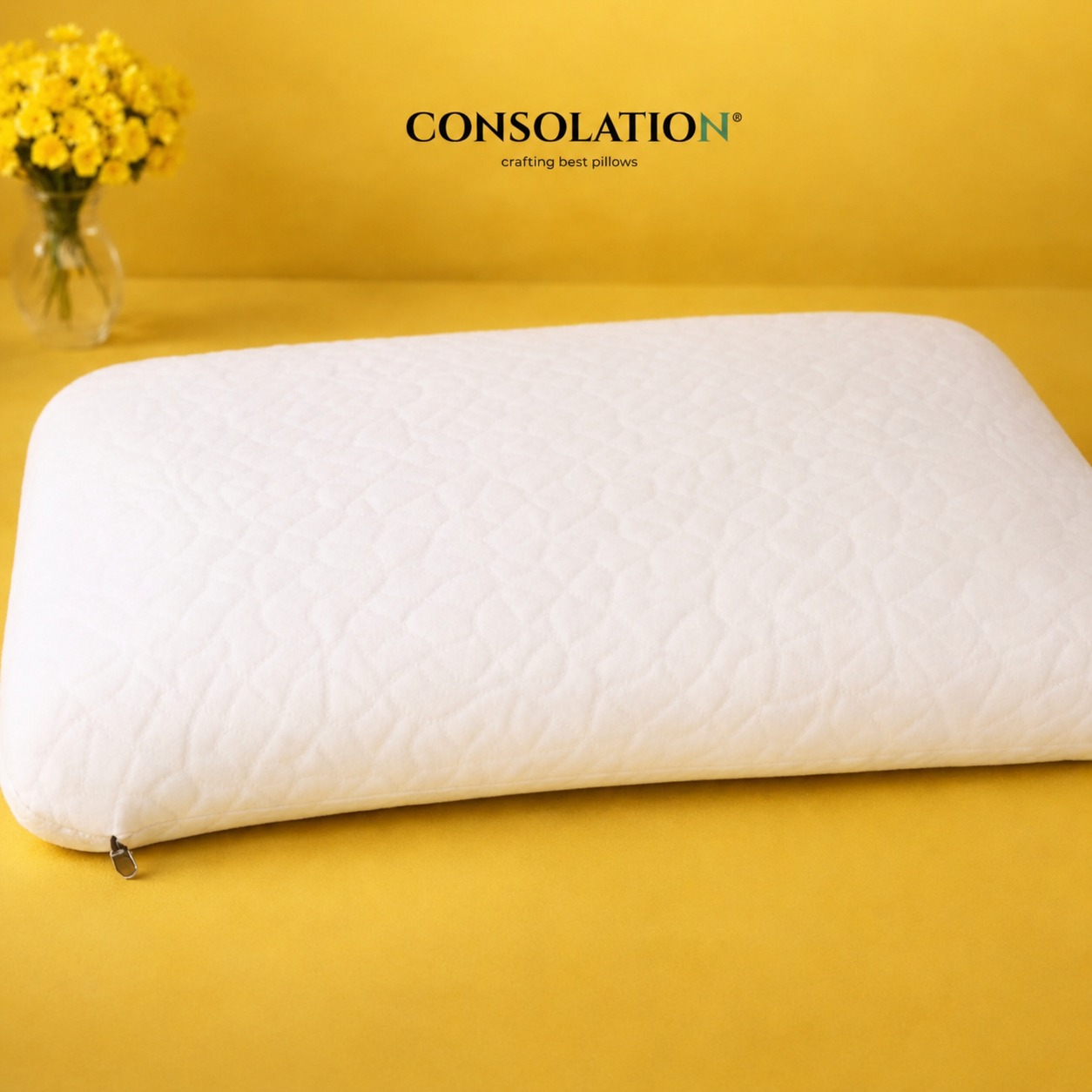
The pillow you actually need should support the natural shape of your head, neck, and shoulders instead of forcing the body to adapt to the pillow. Modern memory foam pillows are specifically designed to provide personalized support by responding to body heat and pressure. This allows the foam to contour around the shape of the body and distribute weight more evenly across the pillow surface.
Unlike traditional pillows that flatten or compress unevenly, memory foam pillows maintain more consistent support throughout the night. This helps reduce pressure points around the neck and shoulders while improving spinal alignment and reducing muscle tension. Better support often leads to deeper sleep, fewer interruptions, and less tossing and turning caused by discomfort.
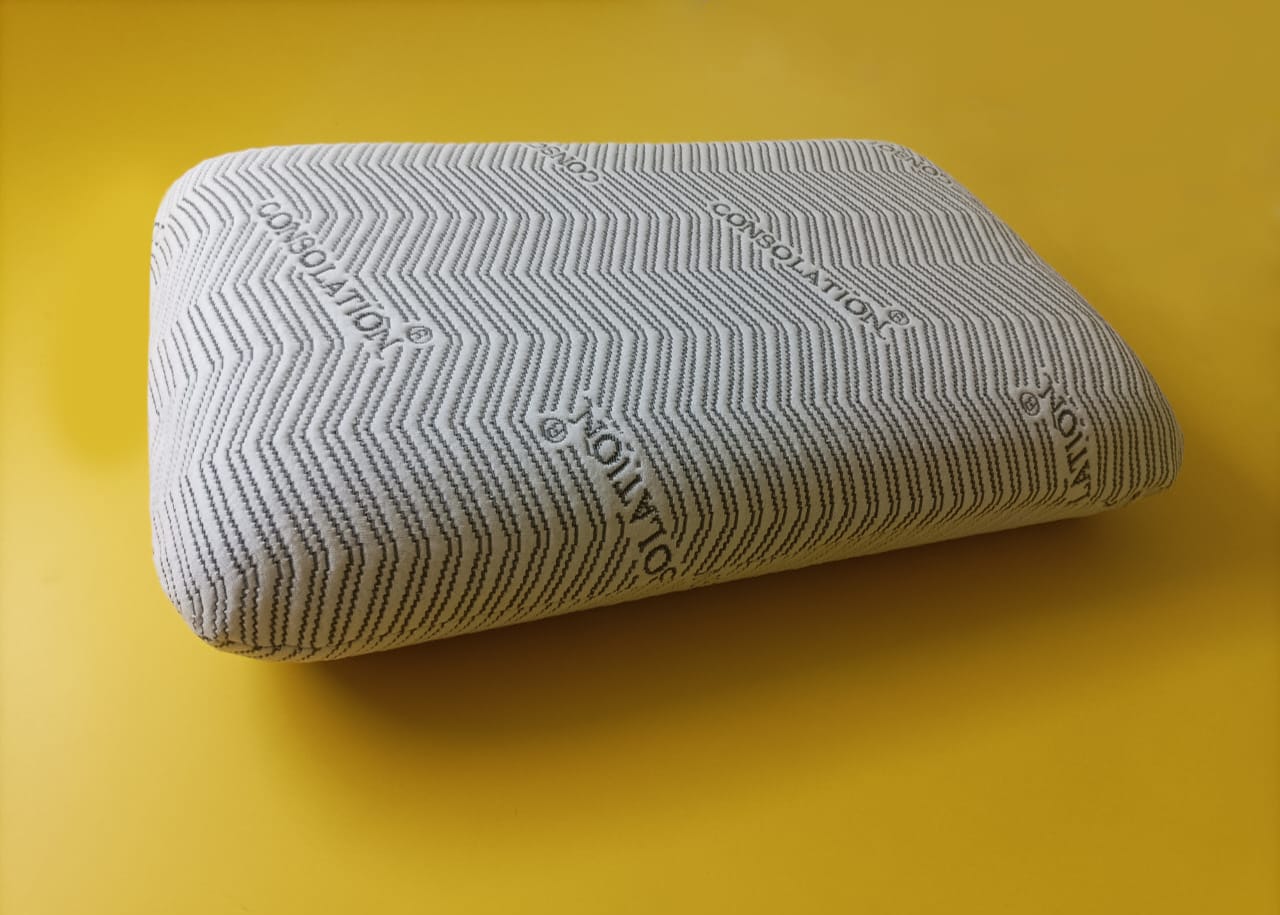
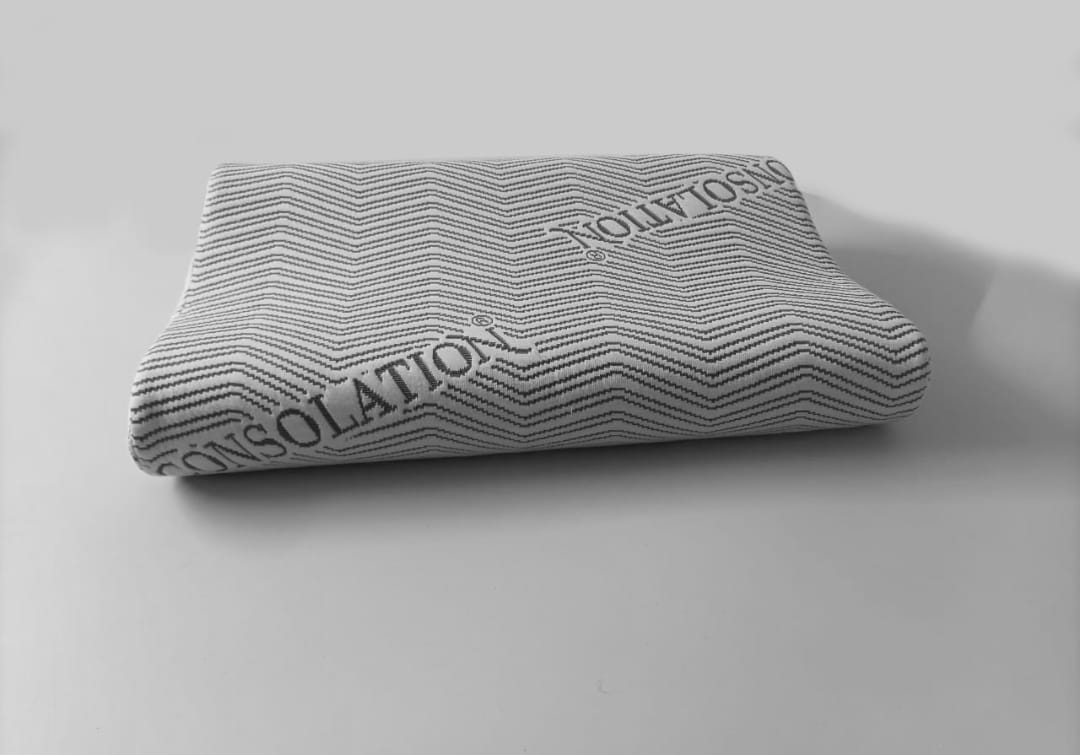
Many people who switch from standard pillows to memory foam notice improvements in neck stiffness, posture, sleep quality, and morning comfort within a short period of time. Orthopedic and cervical memory foam pillows are especially effective because they are ergonomically designed to support the natural curve of the cervical spine more accurately.
The right pillow should help the body feel relaxed and supported rather than creating pressure, tension, or discomfort during sleep.
The Pillow You Have May Be Causing Heat And Restlessness
Temperature regulation plays a major role in sleep quality.
Another common problem with outdated or low quality pillows is poor airflow and heat retention. Sleeping hot can create discomfort, increase sweating, and interrupt sleep cycles throughout the night. Many traditional pillows trap body heat and moisture, making it difficult for the body to remain cool and comfortable during sleep.
The pillow you need should help regulate temperature and improve airflow around the head and neck. Modern cooling pillows are designed with breathable fabrics, cooling gel layers, ventilated foam structures, and moisture wicking materials that reduce heat buildup and create a fresher sleeping environment.
Cooling pillows help people remain comfortable for longer periods during sleep while reducing nighttime waking caused by overheating. Better temperature regulation supports deeper sleep cycles and allows the body to relax more effectively throughout the night.
People who naturally sleep hot or live in warmer climates often notice major improvements in sleep quality after switching to cooling pillow designs that improve airflow and comfort.
The Right Pillow Helps Create Pain Free Mornings
Healthy support during sleep improves recovery and comfort every day.
The biggest difference between the pillow you have and the pillow you need is often how you feel when you wake up in the morning. Poor quality pillows frequently contribute to stiffness, headaches, shoulder tension, poor posture, and fatigue because the body never fully relaxes during sleep. Muscles remain under strain throughout the night instead of recovering naturally.
Supportive pillows reduce pressure points, improve alignment, and help muscles relax more effectively during sleep. This often results in waking up with less pain, greater flexibility, improved posture, and better energy levels throughout the day. People who experience chronic neck pain or posture related discomfort may especially benefit from orthopedic or cervical pillow designs that provide targeted support for the upper spine.
Better sleep quality also positively affects mood, concentration, productivity, and physical recovery. When the body receives deeper and more restorative sleep, overall well being improves significantly. Investing in the right pillow is therefore not only about comfort. It is also an investment in healthier posture, reduced pain, and improved quality of life.
The right pillow should support your body so effectively that you barely notice it during sleep because your muscles remain relaxed and your posture remains naturally aligned throughout the night.
The Right Pillow Can Completely Transform Your Sleep
Better support leads to healthier posture, deeper sleep, and more comfortable mornings.
Many people continue sleeping on pillows that no longer support their body properly simply because they underestimate how much a pillow affects overall sleep quality and physical comfort. The difference between the pillow you currently have and the pillow you truly need can dramatically affect posture, pain levels, recovery, and daily energy.
Modern support pillows such as memory foam pillows, cervical pillows, orthopedic pillows, and cooling pillows are specifically designed to improve alignment, reduce pressure points, and create healthier sleeping conditions. Choosing the right pillow based on sleeping position and comfort needs can help reduce neck pain, improve posture, regulate temperature, and support deeper and more restorative sleep.
If you regularly wake up feeling stiff, tired, overheated, or uncomfortable, your pillow may be one of the biggest reasons. Investing in the right pillow can significantly improve sleep quality, create pain free mornings, and help your body recover more effectively every night.